
1. The classical scenario.
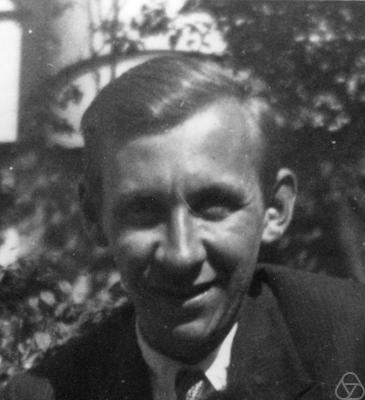 The original purpose of Brigitte Nebelung's thesis
[3]
,
written in 1989 under the supervision of Wolfram Jehne at Cologne,
was to gain a thorough overview of all
2-stage metabelian 3-groups G
with commutator factor group G/G' of type (3,3)
and to apply the results to the following problems
which were first posed by Arnold Scholz and Olga Taussky-Todd
in 1933 (inspired by the Furtwängler / Artin proof of the principal ideal theorem)
for imaginary quadratic fields K
[1]
but arise for any algebraic number field K with
3-class group Syl3C(K) of type (3,3):
The original purpose of Brigitte Nebelung's thesis
[3]
,
written in 1989 under the supervision of Wolfram Jehne at Cologne,
was to gain a thorough overview of all
2-stage metabelian 3-groups G
with commutator factor group G/G' of type (3,3)
and to apply the results to the following problems
which were first posed by Arnold Scholz and Olga Taussky-Todd
in 1933 (inspired by the Furtwängler / Artin proof of the principal ideal theorem)
for imaginary quadratic fields K
[1]
but arise for any algebraic number field K with
3-class group Syl3C(K) of type (3,3):
1. to determine the Galois group G(K2|K) of the 2nd Hilbert 3-class field K2 of K over K, 2. to find the structure of the 3-class group Syl3C(K1) of the 1st Hilbert 3-class field K1 of K.
This application is due to class field theory, since K1 is the maximal abelian unramified 3-extension of K and thus the subgroup U = G(K2|K1) of G = G(K2|K) with factor group G/U = G(K1|K) = Syl3C(K) = (3,3) must be the minimal subgroup of G with abelian factor group, i. e., must coincide with the commutator subgroup G' of G. Further, G is a 2-stage metabelian 3-group, since G' = G(K2|K1) = Syl3C(K1) is abelian, i.e., G'' = 1. Warning: Although taking G = G(Kn|K), for some integer n >= 3, similarly yields G' = G(Kn|K1) and G/G' = (3,3), the Galois group G = G(Kn|K) of the nth Hilbert 3-class field Kn of K over K is not a 2-stage metabelian 3-group any longer, in general, since G'' = G(Kn|K2) != 1, if 3 divides the class number of K2. |
||||||||||||||||||||||||||||||||||||||||||||||||||||||||||||||||||||||||||||||||||||||||||||||||||||||||||||||||||||||||||||||||||||||||||||||||||||||||||||||||||||||||||||||||||||||||||||||||||||||||||||||||||||||||||||||||||||||||||||||||||||||||||||||||||||||||||||||||||
1.A. All known real quadratic examples:In the following diagrams, we give the 2-stage metabelian 3-groups G = G(K2|K) that occur for real quadratic fields K = Q(d1/2) with discriminant 0 < d < 200000. We denote by G = G1 >= G2 >= ... >= Gi >= ... the descending central series of G with Gi+1 = [Gi,G]. In particular, G2 = [G,G] is the commutator subgroup G' of G. |
||||||||||||||||||||||||||||||||||||||||||||||||||||||||||||||||||||||||||||||||||||||||||||||||||||||||||||||||||||||||||||||||||||||||||||||||||||||||||||||||||||||||||||||||||||||||||||||||||||||||||||||||||||||||||||||||||||||||||||||||||||||||||||||||||||||||||||||||||
Types a.1 and a.2
Remarks: The principalization types (2,0,0,0) and (1,0,0,0) do not determine the associated Galois group G = G(K2|K) uniquely. Results discovered 2003/02/07: However, according to top recent computations of the structure of Syl3C(K1) = G(K2|K1) = G2 as (3,3) by Karim Belabas with the aid of PARI, G is determined uniquely for principalization type (1,0,0,0) and uniquely up to the sign of beta for principalization type (2,0,0,0). Further, exactly the same diagram illustrates the descending central series G = G1 >= G2 >= ... for the real quadratic fields K with discriminants d = 42817 of principalization type a.1, (2,0,0,0) [5,6] , resp. d = 94636 of principalization type a.2, (1,0,0,0) [5,6] . Results discovered 2003/02/27: In fact, we now have further occurrences of this frequent case: d = 103809, 114889, 130397, 142097, 151141, 153949, 172252, 173944, 184137, 189237, according to [6] and computations of Karim Belabas with the aid of PARI. For this frequent case, we obviously have generally Syl3(C(K1)) = (3,3) <==> G(K2|K) in ZEF 2a(4,4) <==> family principal factorization type (Delta1,Alpha1,Alpha1,Alpha1) <==> principalization type either (1,0,0,0) or (2,0,0,0), i. e., the full 3-class group of K capitulates in three of the four unramified cyclic cubic extensions N1,...,N4 of K, in the fourth one, say N1, only a subgroup of type (3) capitulates and this is either Norm_{N1|K}(C(N1)) for type a.2, (1,0,0,0) or Norm_{Nj|K}(C(Nj)) with 2 <= j <= 4 for type a.1, (2,0,0,0). Further, N1,...,N4 have uniformly 3-class number 3. |
||||||||||||||||||||||||||||||||||||||||||||||||||||||||||||||||||||||||||||||||||||||||||||||||||||||||||||||||||||||||||||||||||||||||||||||||||||||||||||||||||||||||||||||||||||||||||||||||||||||||||||||||||||||||||||||||||||||||||||||||||||||||||||||||||||||||||||||||||
Type a.3
Remarks: Again, the principalization type (0,0,0,0) does not determine the associated Galois group G = G(K2|K) uniquely. Result discovered 2003/02/07: However, according to a top recent computation of the structure of Syl3C(K1) = G(K2|K1) = G2 as (9,9) by Karim Belabas with the aid of PARI, at least beta = 0, the class 5, and the order 729 of G are determined uniquely. Result discovered 2003/02/27: In fact, we now have two occurrences of this rare case: d = 62501 and d = 152949, according to [6] and a computation of Karim Belabas with the aid of PARI. For these fields, I got family principal factorization type (Alpha1,Alpha1,Alpha1,Alpha1) already in August 1991 at Winnipeg City [6] . For this rare case, we obviously have generally Syl3(C(K1)) = (9,9) <==> G(K2|K) in ZEF 2b(6,6) <==> family principal factorization type (Alpha1,Alpha1,Alpha1,Alpha1) <==> principalization type a.3, (0,0,0,0), i. e., the full 3-class group of K capitulates in all four unramified cyclic cubic extensions N1,...,N4 of K. Further, exactly one of N1,...,N4 has 3-class number 9, the others have 3-class number only 3. This fact is due to formulas for the transfers ("Verlagerungen") and shows that the last parameter of the group G must be gamma = 1. |
||||||||||||||||||||||||||||||||||||||||||||||||||||||||||||||||||||||||||||||||||||||||||||||||||||||||||||||||||||||||||||||||||||||||||||||||||||||||||||||||||||||||||||||||||||||||||||||||||||||||||||||||||||||||||||||||||||||||||||||||||||||||||||||||||||||||||||||||||
1.B. All known imaginary quadratic examples:In the following diagrams, we give the 2-stage metabelian 3-groups G = G(K2|K) that occur for imaginary quadratic fields K = Q(d1/2) with discriminant -50000 < d < 0. We denote by G = G1 >= G2 >= ... >= Gi >= ... the descending central series of G with Gi+1 = [Gi,G]. In particular, G2 = [G,G] is the commutator subgroup G' of G. |
||||||||||||||||||||||||||||||||||||||||||||||||||||||||||||||||||||||||||||||||||||||||||||||||||||||||||||||||||||||||||||||||||||||||||||||||||||||||||||||||||||||||||||||||||||||||||||||||||||||||||||||||||||||||||||||||||||||||||||||||||||||||||||||||||||||||||||||||||
Type D
Remarks: (1,1,2,3) and (1,2,1,2) are the only two principalization types where the associated Galois group G = G(K2|K) is uniquely determined. Exactly the same diagram illustrates the descending central series G = G1 >= G2 >= ... for the imaginary quadratic fields K with discriminants d = -8751, -19651, -21224, -22711, -24904, -26139, -28031, -28759 of principalization type D.10, (1,1,2,3) [4,5] , resp. d = -19187, -20276, -20568, -24340, -26760 of principalization type D.5, (1,2,1,2) [4,5] . The Hilbert 3-class field tower K = K0 <= K1 <= K2 <= ... of all these fields terminates after 2 steps with K2, i. e., 3 does not divide the class number of K2. This was shown by Scholz and Taussky in [1] and, with a different proof, by Brink and Gold in [2] . Results discovered 2003/04/19 - 22 and 2003/05/09: According to [7] and computations of Karim Belabas with the aid of PARI, we now have further occurrences of this case: d = -31639, -31999, -32968, -34088, -34507, -35367, -36807, -40299, -40692, -41015, -41583, -41671, -42423, -43192, -43307, and: d = -44004, -45835, -46587, -48052, -49128, -49812. |
||||||||||||||||||||||||||||||||||||||||||||||||||||||||||||||||||||||||||||||||||||||||||||||||||||||||||||||||||||||||||||||||||||||||||||||||||||||||||||||||||||||||||||||||||||||||||||||||||||||||||||||||||||||||||||||||||||||||||||||||||||||||||||||||||||||||||||||||||
Type E
Remarks: Here, the principalization type (1,1,3,2) does not determine the associated Galois group G = G(K2|K) uniquely. However, Scholz and Taussky [1] provide additional information for d = -9748 mentioning that a = 4 in the associated symbolic order Xa = (Xa,XY,Y2,3+3X+3X2) whence G' = G2 = Z[X,Y]/Xa = (32,32,3), and this property determines G uniquely, up to the sign of gamma. The Hilbert 3-class field tower K = K0 <= K1 <= K2 <= ... of the field K = Q((-9748)1/2) terminates after 2 steps with K2, i. e., 3 does not divide the class number of K2. That is the only claim by Scholz and Taussky in [1] and not a statement for all fields with associated symbolic order Xa. Heider and Schmithals erroneously remark in [5] that Scholz and Taussky proved G4 = 1 for the fields K with associated symbolic order Xa, whereas they really have G4 = (3,3). This led to a misinterpretation by Brink and Gold in [2] , where they construct a 3-stage metabelian 3-group that could possibly be the Galois group G(M|K) of an unramified cubic extension M of K2 when K has the associated symbolic order Xa. But no explicit example is known up to now for a 3-class field tower of height greater than 2. Results discovered 2003/01/14 - 18: According to recent computations of the structure of Syl3C(K1) = G(K2|K1) = G2 as (9,9,3) by Karim Belabas with the aid of PARI, exactly the same diagram illustrates the descending central series G = G1 >= G2 >= ... for the imaginary quadratic fields K with discriminants d = -22395, -22443, -27640 of principalization type E.9, (1,1,3,2) ~ (1,2,1,3) [4] , with (alpha,beta,gamma,delta) = (0,0,+-1,1), rho = 0, resp. d = -15544, -18555, -23683 of principalization type E.6, (1,1,2,2) [4,5] , with (alpha,beta,gamma,delta) = (1,-1,1,1), rho = 0, resp. d = -16627 of principalization type E.14, (2,3,1,1) [4,5] , with (alpha,beta,gamma,delta) = (0,-1,+-1,1), rho = 0, which are all designated by E in [1] . Results discovered 2003/03/23 and 2003/05/24: According to [7] and computations of Karim Belabas with the aid of PARI, we now have further occurrences of this case: d = -31271, -34867, -37988, -39736, -42619, -42859, -43847, -45887, -48472, -48667. More detailed, according to [7] , we finally have d = -37988, -39736, -45887, -48472, -48667 of principalization type E.9, (1,1,3,2) ~ (1,2,1,3), with (alpha,beta,gamma,delta) = (0,0,+-1,1), rho = 0, d = -31271, -42859, -43847 of principalization type E.14, (2,3,1,1), with (alpha,beta,gamma,delta) = (0,-1,+-1,1), rho = 0, and d = -34867, -42619 of the newly discovered principalization type E.8, (1,2,3,1), the unique one with 3 fixed points (A,A,A,B) and with (alpha,beta,gamma,delta) = (1,0,-1,1), rho = 0. |
||||||||||||||||||||||||||||||||||||||||||||||||||||||||||||||||||||||||||||||||||||||||||||||||||||||||||||||||||||||||||||||||||||||||||||||||||||||||||||||||||||||||||||||||||||||||||||||||||||||||||||||||||||||||||||||||||||||||||||||||||||||||||||||||||||||||||||||||||
Type H
Remarks: Again, the principalization type (2,1,1,1) does not determine the associated Galois group G = G(K2|K) uniquely. Results discovered 2003/01/14 and 2003/02/17: However, according to recent computations of the structure of Syl3C(K1) = G(K2|K1) = G2 as (9,3,3) by Karim Belabas with the aid of PARI and Claus Fieker with the aid of MAGMA, at least delta = 1, the class 4, and the order 729 of G are determined uniquely. Exactly the same diagram illustrates the descending central series G = G1 >= G2 >= ... for the imaginary quadratic fields K with discriminants d = -6583, -23428, -25447, -27355, -27991 of the same principalization type H.4, (2,1,1,1) [4,5] , designated by H in [1] . Results discovered 2003/04/22 and 2003/05/09: According to [7] and computations of Karim Belabas with the aid of PARI, we now have further occurrences of this case: d = -36276, -37219, -37540, -39819, -41063, and: d = -43827, -46551. |
||||||||||||||||||||||||||||||||||||||||||||||||||||||||||||||||||||||||||||||||||||||||||||||||||||||||||||||||||||||||||||||||||||||||||||||||||||||||||||||||||||||||||||||||||||||||||||||||||||||||||||||||||||||||||||||||||||||||||||||||||||||||||||||||||||||||||||||||||
Type G.19
Remarks: As above, the principalization type (2,1,4,3) does not determine the associated Galois group G = G(K2|K) uniquely. Result discovered 2003/01/14: But according to the recent computation of the structure of Syl3C(K1) = G(K2|K1) = G2 as (3,3,3,3) by Karim Belabas with the aid of PARI, at least beta = 0, delta = 1, rho = -1, the class 4, and the order 729 of G are determined uniquely. Result discovered 2003/05/10: According to [7] , we now have another occurrence of this rare case: d = -49924. |
||||||||||||||||||||||||||||||||||||||||||||||||||||||||||||||||||||||||||||||||||||||||||||||||||||||||||||||||||||||||||||||||||||||||||||||||||||||||||||||||||||||||||||||||||||||||||||||||||||||||||||||||||||||||||||||||||||||||||||||||||||||||||||||||||||||||||||||||||
Type F
Remarks: Again, the principalization type (1,3,2,1) does not determine the associated Galois group G = G(K2|K) uniquely. Result discovered 2003/02/13: However, according to a top recent computation of the structure of Syl3C(K1) = G(K2|K1) = G2 as (9,9,9,3) by Claus Fieker with the aid of MAGMA, at least gamma = 0, delta = 0, rho = 0, the class 5, and the order 19683 of G are determined uniquely. Results discovered 2003/03/23, 2003/05/27 - 31, and 2003/06/10: According to [7] and computations of Karim Belabas with the aid of PARI, we now have other occurrences of this rare case: d = -31908, -135587 of the newly discovered principalization type F.12, (2,1,3,1) ~ (3,2,1,1). According to the supplements section of [7] , we finally have other occurrences of this rare case: d = -67480, -104627 of the newly discovered principalization type F.13, (2,1,1,3), and d = -124363 of the newly discovered principalization type F.7, (2,1,1,2). Results discovered 2003/09/16: According to the supplements section of [7] and computations of Karim Belabas with the aid of PARI, we now have further occurrences of this case: d = -160403, -167064, -184132 and d = -189959. |
||||||||||||||||||||||||||||||||||||||||||||||||||||||||||||||||||||||||||||||||||||||||||||||||||||||||||||||||||||||||||||||||||||||||||||||||||||||||||||||||||||||||||||||||||||||||||||||||||||||||||||||||||||||||||||||||||||||||||||||||||||||||||||||||||||||||||||||||||
Type G.16 and a Variant of Type H
Remarks: As above, the principalization type (1,2,4,3) does not determine the associated Galois group G = G(K2|K) uniquely. Results discovered 2003/02/17: However, according to a top recent computation of the structure of Syl3C(K1) = G(K2|K1) = G2 as (27,9,3) by Claus Fieker with the aid of MAGMA, at least beta = 0, delta = 1, the class 6, and the order 6561 of G are determined uniquely. Exactly the same diagram illustrates the descending central series G = G1 >= G2 >= ... for the imaginary quadratic fields K with discriminants d = -24884, -28279 of the same principalization type G.16, (1,2,4,3) ~ (2,1,3,4) [4] , with (alpha,beta,gamma,delta) = (1,0,0,1), rho = 0 or (alpha,beta,gamma,delta) = (?,0,?,1), rho = +-1, designated by G in [1] , resp. d = -21668 of principalization type H.4, (2,1,1,1) [4] , with (alpha,beta,gamma,delta) = (1,-1,-1,1), rho = 0 or (alpha,beta,gamma,delta) = (?,-1,?,1), rho = +-1, designated by H in [1] . Results discovered 2003/03/23: According to [7] and computations of Karim Belabas with the aid of PARI, we now have further occurrences of this case: d = -34027 of principalization type H.4, (2,1,1,1) and d = -35539 of principalization type G.16, (1,2,4,3) ~ (2,1,3,4). |
||||||||||||||||||||||||||||||||||||||||||||||||||||||||||||||||||||||||||||||||||||||||||||||||||||||||||||||||||||||||||||||||||||||||||||||||||||||||||||||||||||||||||||||||||||||||||||||||||||||||||||||||||||||||||||||||||||||||||||||||||||||||||||||||||||||||||||||||||
A Variant of Type G.19
Remarks: As above, the principalization type (2,1,4,3) does not determine the associated Galois group G = G(K2|K) uniquely. Result discovered 2003/05/29: However, according to a top recent computation of the structure of Syl3C(K1) = G(K2|K1) = G2 as (27,9,9,3) by Karim Belabas with the aid of PARI, at least delta = 0, the class 6, and the order 59049 of G are determined uniquely. Result discovered 2003/09/16: According to the supplements section of [7] and a computation of Karim Belabas with the aid of PARI, we now have a further occurrence of this case: d = -156452. |
||||||||||||||||||||||||||||||||||||||||||||||||||||||||||||||||||||||||||||||||||||||||||||||||||||||||||||||||||||||||||||||||||||||||||||||||||||||||||||||||||||||||||||||||||||||||||||||||||||||||||||||||||||||||||||||||||||||||||||||||||||||||||||||||||||||||||||||||||
A Variant of Type G.16
Remarks: As above, the principalization type (1,2,4,3) does not determine the associated Galois group G = G(K2|K) uniquely. Result discovered 2003/06/10: However, according to a top recent computation of the structure of Syl3C(K1) = G(K2|K1) = G2 as (9,9,9,9) by Karim Belabas with the aid of PARI, at least delta = 0, rho = -1, the class 6, and the order 59049 of G are determined uniquely. Results discovered 2003/09/16: According to the supplements section of [7] and computations of Karim Belabas with the aid of PARI, we now have further occurrences of this case: d = -185747 and d = -186483. |
||||||||||||||||||||||||||||||||||||||||||||||||||||||||||||||||||||||||||||||||||||||||||||||||||||||||||||||||||||||||||||||||||||||||||||||||||||||||||||||||||||||||||||||||||||||||||||||||||||||||||||||||||||||||||||||||||||||||||||||||||||||||||||||||||||||||||||||||||
|
||||||||||||||||||||||||||||||||||||||||||||||||||||||||||||||||||||||||||||||||||||||||||||||||||||||||||||||||||||||||||||||||||||||||||||||||||||||||||||||||||||||||||||||||||||||||||||||||||||||||||||||||||||||||||||||||||||||||||||||||||||||||||||||||||||||||||||||||||
2. A modern point of view.Aïssa Derhem [2], in Casablanca, Maroc, was the first to observe that Nebelung's results [1], can be applied equally well to the following questions that arise for the absolute 3-genus field K* = (K|Q)* of a cyclic cubic number field K, whose conductor f has exactly 2 prime divisors, whence K* is a bicyclic bicubic field:1. to determine the absolute Galois group G(K*1|Q) of the 1st Hilbert 3-class field K*1 of K* over Q, 2. to find the structure of the 3-class group Syl3C(K*) of K*.
This application is due to genus field theory, since K* is the maximal abelian 3-extension of Q that is unramified over K and thus the subgroup U = G(K*1|K*) of G = G(K*1|Q) with factor group G/U = G(K*|Q) = (3,3) must be the minimal subgroup of G with abelian factor group, i. e., must coincide with the commutator subgroup G' of G. Further, G is a 2-stage metabelian 3-group, since G' = G(K*1|K*) = Syl3C(K*) is abelian, i.e., G'' = 1. |
||||||||||||||||||||||||||||||||||||||||||||||||||||||||||||||||||||||||||||||||||||||||||||||||||||||||||||||||||||||||||||||||||||||||||||||||||||||||||||||||||||||||||||||||||||||||||||||||||||||||||||||||||||||||||||||||||||||||||||||||||||||||||||||||||||||||||||||||||
2.A. All known cyclic cubic examples:In the following diagrams, we give all 2-stage metabelian 3-groups G = G(K*1|Q) that occured for cyclic cubic fields K with 2-prime conductors f < 105 [3]. We denote by G = G1 >= G2 >= ... >= Gi >= ... the descending central series of G with Gi+1 = [Gi,G]. In particular, G2 = [G,G] is the commutator subgroup G' of G. The absolute 3-genus field K* is the compositum K* = k*k~ of k and k~, the cyclic cubic fields with the two primeconductors dividing f. Hence K* is a bicyclic bicubic field that contains yet another cyclic cubic field K~ with conductor f. |
||||||||||||||||||||||||||||||||||||||||||||||||||||||||||||||||||||||||||||||||||||||||||||||||||||||||||||||||||||||||||||||||||||||||||||||||||||||||||||||||||||||||||||||||||||||||||||||||||||||||||||||||||||||||||||||||||||||||||||||||||||||||||||||||||||||||||||||||||
|
||||||||||||||||||||||||||||||||||||||||||||||||||||||||||||||||||||||||||||||||||||||||||||||||||||||||||||||||||||||||||||||||||||||||||||||||||||||||||||||||||||||||||||||||||||||||||||||||||||||||||||||||||||||||||||||||||||||||||||||||||||||||||||||||||||||||||||||||||
|
||||||||||||||||||||||||||||||||||||||||||||||||||||||||||||||||||||||||||||||||||||||||||||||||||||||||||||||||||||||||||||||||||||||||||||||||||||||||||||||||||||||||||||||||||||||||||||||||||||||||||||||||||||||||||||||||||||||||||||||||||||||||||||||||||||||||||||||||||
|
||||||||||||||||||||||||||||||||||||||||||||||||||||||||||||||||||||||||||||||||||||||||||||||||||||||||||||||||||||||||||||||||||||||||||||||||||||||||||||||||||||||||||||||||||||||||||||||||||||||||||||||||||||||||||||||||||||||||||||||||||||||||||||||||||||||||||||||||||
|
||||||||||||||||||||||||||||||||||||||||||||||||||||||||||||||||||||||||||||||||||||||||||||||||||||||||||||||||||||||||||||||||||||||||||||||||||||||||||||||||||||||||||||||||||||||||||||||||||||||||||||||||||||||||||||||||||||||||||||||||||||||||||||||||||||||||||||||||||
|
||||||||||||||||||||||||||||||||||||||||||||||||||||||||||||||||||||||||||||||||||||||||||||||||||||||||||||||||||||||||||||||||||||||||||||||||||||||||||||||||||||||||||||||||||||||||||||||||||||||||||||||||||||||||||||||||||||||||||||||||||||||||||||||||||||||||||||||||||
Remark: Here, the difference to f = 5383 is that we have G2 = (3,3,3,3) and rho = -1 instead of G2 = (32,3,3) and rho = +1, which implies different structures of Syl3C(K*) = G(K*1|K*) = G2. |
||||||||||||||||||||||||||||||||||||||||||||||||||||||||||||||||||||||||||||||||||||||||||||||||||||||||||||||||||||||||||||||||||||||||||||||||||||||||||||||||||||||||||||||||||||||||||||||||||||||||||||||||||||||||||||||||||||||||||||||||||||||||||||||||||||||||||||||||||
|
||||||||||||||||||||||||||||||||||||||||||||||||||||||||||||||||||||||||||||||||||||||||||||||||||||||||||||||||||||||||||||||||||||||||||||||||||||||||||||||||||||||||||||||||||||||||||||||||||||||||||||||||||||||||||||||||||||||||||||||||||||||||||||||||||||||||||||||||||
|
||||||||||||||||||||||||||||||||||||||||||||||||||||||||||||||||||||||||||||||||||||||||||||||||||||||||||||||||||||||||||||||||||||||||||||||||||||||||||||||||||||||||||||||||||||||||||||||||||||||||||||||||||||||||||||||||||||||||||||||||||||||||||||||||||||||||||||||||||
|
||||||||||||||||||||||||||||||||||||||||||||||||||||||||||||||||||||||||||||||||||||||||||||||||||||||||||||||||||||||||||||||||||||||||||||||||||||||||||||||||||||||||||||||||||||||||||||||||||||||||||||||||||||||||||||||||||||||||||||||||||||||||||||||||||||||||||||||||||
|
| <| Navigation Center <| |
| <| Back to Algebra <| |
| <| Back to Curriculum <| |